Appliance Safety Checklist: Why Appliance Safety Should Never Be Ignored
A safe home does not happen by luck. It happens when small problems are noticed early and fixed before they turn into bigger ones. Most homeowners think about cleaning the floors, wiping the counters, and locking the doors, but many forget to check the machines they use every day. That is where trouble can begin. Dryers, ovens, dishwashers, washing machines, microwaves, and refrigerators all make life easier, but they can also create risk when they are not inspected often.
A worn cord, a blocked vent, a leaking hose, or a dirty filter may not seem urgent at first. Still, these small issues can lead to fire, water damage, mold, bad smells, poor air quality, and expensive repairs. A home feels normal until one day the dryer takes too long, the dishwasher leaks, or the oven smells strange. By then, the problem may already be serious.
Many homeowners do not realize how much stress can be avoided by building a few simple safety habits. A quick check once a month can help you catch warning signs early. It can also help your appliances last longer and run better. That means lower repair costs, better energy use, and more peace of mind for your family.
A helpful first step is learning from ahealthy home cleaning resource that explains care tips in plain language. When homeowners understand what to watch for, they feel more confident and prepared. That matters in busy homes where appliances are used every single day.
Appliance Safety Checklist Every Homeowner Should Review
Every homeowner needs a simple system for checking the most used appliances in the house. An appliance safety checklist makes that easier because it gives you a clear way to look for danger before it grows. You do not need special tools or advanced training. You only need to know what to check, what warning signs matter, and when to call a professional.
Start with cords, plugs, and outlets. These are often ignored, but they can tell you a lot. Look for:
- Frayed wires
- Loose plugs
- Cracked outlet covers
- Burn marks near the outlet
- Warm plugs after normal use
These signs should never be ignored. Large appliances should also be plugged into proper outlets, not into extension cords. Dryers, refrigerators, and microwaves need strong and stable power. A poor connection can cause overheating and damage.
Next, check for airflow issues. Heat-producing appliances need room to breathe. Dryers, refrigerators, and ovens all work better when air moves around them. Dust buildup, lint, and clutter can block vents and make the machine work harder than it should. This is one of the most important hazard prevention steps because overheating is a common cause of appliance failure and house fires.
Water lines should also be checked often. Washing machines, dishwashers, and refrigerators with water lines can leak slowly without much warning. Over time, a small drip can damage the floor, walls, and cabinets. It can also create mold in places you cannot easily see. Look for rust, puddles, soft flooring, or swelling around the appliance.
Pay attention to sound and smell too. Appliances often warn you before they stop working. A humming refrigerator that becomes loud, a dishwasher that smells bad, or a dryer that takes too long to finish a cycle can all signal that something is wrong.
Use this easy list as your starting point:
- Check cords and plugs for wear
- Make sure outlets are secure
- Look behind appliances for dust and lint
- Inspect hoses and connections for leaks
- Clean filters and vent openings
- Listen for new or unusual sounds
- Watch for heat, smoke, or burning smells
- Review the owner’s manual for care tips
- Test smoke alarms near the kitchen and laundry room
- Call for service when an appliance acts differently
This appliance safety checklist works best when you use it regularly, not just once. A few minutes of checking can prevent a much bigger problem later.
Appliance Safety Checklist Every Homeowner Should Follow
An appliance safety checklist is essential for maintaining a safe and efficient home because it helps identify small issues before they become serious hazards. Following an appliance safety checklist ensures that everyday appliances like dryers, ovens, and refrigerators are regularly inspected for potential risks.
An appliance safety checklist also helps homeowners detect early warning signs such as frayed cords, leaking hoses, clogged vents, and dirty filters. These appliance safety checklist items may seem minor, but ignoring them can lead to fire hazards, water damage, mold growth, and costly repairs over time.
An appliance safety checklist should be used consistently to keep all household appliances in proper working condition. By sticking to an appliance safety checklist, homeowners can improve safety, extend appliance lifespan, and reduce the risk of unexpected breakdowns.
Dryer Safety Starts With Proper Vent Care
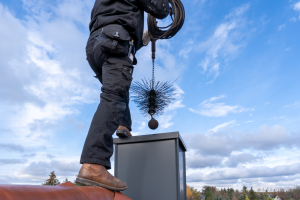
If one appliance deserves extra attention, it is the dryer. Many homeowners clean the lint screen and think that is enough. It helps, but it is only part of the job. Lint also builds up inside the vent line, behind the dryer, and around the exhaust opening. When that happens, hot air cannot escape well. The dryer works harder, gets hotter, and becomes less safe.
This is why dryer care should be part of every smart home maintenance guide. A clogged vent can increase drying times, raise energy use, and shorten the life of the machine. Most importantly, it can increase the risk of fire. That is why warning signs should be taken seriously.
Watch for these common clues:
- Clothes take more than one cycle to dry
- The dryer feels very hot on the outside
- The laundry room feels humid
- There is a burning smell during use
- The outside vent flap does not open well
- Lint appears around the dryer hose or vent opening
These signs often point to poor airflow. In busy homes in Westwood, where laundry loads may run every day, lint can build up faster than people expect. Families with children, pets, or large bedding loads often need closer attention to dryer performance.
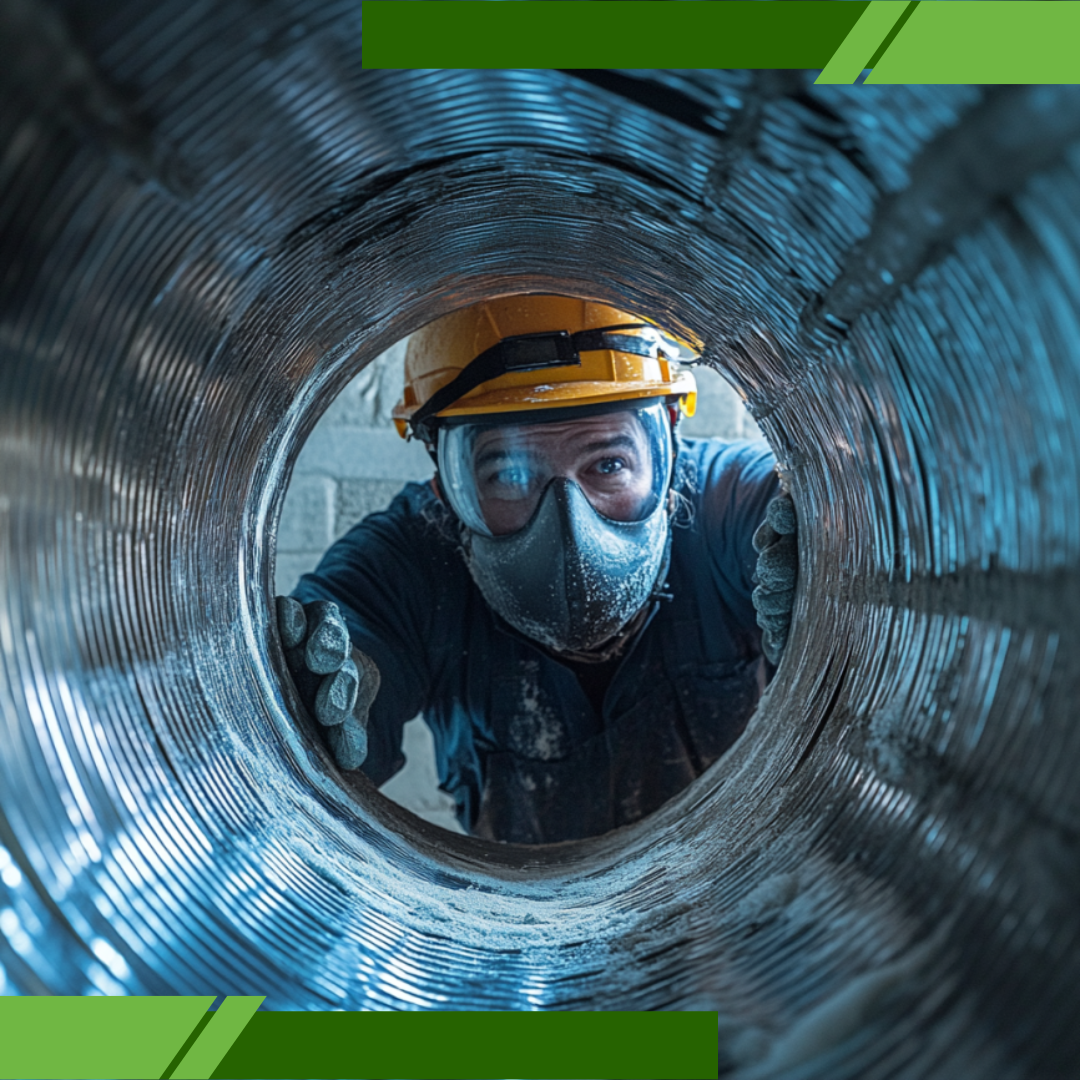
For homeowners looking for expert help,dryer vent cleaning in Westwood is one of the smartest services to consider. A proper vent cleaning can remove hidden lint, improve airflow, reduce strain on the machine, and make drying faster and safer.
Many people ask whether vent cleaning is really necessary when the lint trap is cleaned after every load. The answer is yes. The lint trap only catches part of the lint. The rest can travel deep into the vent path. That is why Dryer Vent Cleaning Westwood services are often recommended for homeowners who want better safety and better dryer performance at the same time.
Kitchen Appliances Need Regular Safety Checks
The kitchen is full of appliances that mix heat, electricity, and frequent daily use. That means it is one of the most important places to check for safety risks. A kitchen appliance may still turn on and seem fine, but hidden issues can build up over time.
Start with the oven and stovetop. Grease, crumbs, and food spills can create smoke and bad smells. Burner parts can wear out. Gas units may show trouble through weak flames, delayed ignition, or strange odors. Electric units can show damage through slow heating, spark sounds, or burned spots. If something smells wrong, do not keep using it and hope it will clear up on its own.
Microwaves also need simple but regular checks. Make sure the door closes fully, the seal looks even, and the inside is kept clean. Food splatter can burn and create smoke. A microwave with a loose door or broken latch should not be used.
Refrigerators are often forgotten because they work quietly in the background. Still, they run all day and all night, so small issues can matter. Check the door seals by closing the door on a piece of paper. If the paper slips out too easily, the seal may be weak. Weak seals let cool air escape and make the motor work harder. Also check behind the unit for dust around the coils if your model allows safe access. A cleaner unit usually runs better and lasts longer.
Dishwashers should be checked for:
- Standing water after a cycle
- Worn door seals
- Musty smells
- Puddles under the machine
- Food buildup in the filter
Water under a dishwasher should never be ignored. A leak can slowly damage floors without being noticed right away. This is one reason a strong home maintenance guide should always include kitchen appliances, not just heating and laundry machines.
Laundry Room Risks Homeowners Often Miss
The laundry room may look safe because it is small and familiar, but it often hides some of the biggest appliance risks in the home. The washing machine, dryer, outlets, hoses, and venting system all work together in a tight space. If one part fails, the damage can spread fast.
Washing machine hoses are a common example. A hose can look fine from a distance while slowly wearing out. Over time, rubber may crack, bulge, or become weak at the fittings. If a hose bursts, it can flood the room in minutes. That is why homeowners should check both hot and cold water lines often and replace old hoses before they fail.
It also helps to make sure the machine is level. If it shakes too much during the spin cycle, the movement can strain the hoses, the drain connection, and the machine itself. Too much vibration may also mean the load is unbalanced or the floor under the appliance is not steady enough.
Keep the area around both machines clear. Avoid storing paper, boxes, cleaning rags, or other flammable items too close to the dryer. The room should stay easy to inspect and easy to clean. Dust, lint, and clutter can hide early warning signs.
In Westwood, many homeowners have compact laundry spaces, which makes regular checks even more important. A small room with poor airflow can make dryer heat build up faster. That is why visual checks and good vent care matter so much.
How To Build A Simple Household Safety Routine
The easiest way to keep up with appliance care is to make it part of normal life. A household safety routine does not need to be hard or time-consuming. It only needs to be consistent. When safety checks become a regular habit, they feel much less stressful.
A simple schedule can look like this:
Every week
- Clean the dryer lint screen
- Wipe grease and crumbs from kitchen appliances
- Look for puddles or leaks near machines
Every month
- Inspect visible cords and outlets
- Pull appliances forward enough to check behind them
- Look for dust, lint, and blocked vent openings
- Test nearby smoke alarms
Every season
- Review hoses, filters, and seals
- Vacuum around appliance edges and hidden corners
- Watch for changes in sound, smell, or performance
Every year
- Replace worn hoses or damaged parts
- Schedule service for major issues
- Review appliance manuals for safety reminders
This kind of plan keeps you organized without making the task feel too big. It also gives you a better chance of spotting early problems before they become emergencies.
Warning Signs That Mean You Should Call A Professional
Some appliance problems can wait for a scheduled repair. Others should be handled right away. Knowing the difference can protect your home and your family.
Call a professional when you notice:
- A burning smell
- Sparks or flickering power
- Water leaking under or behind an appliance
- A gas smell
- A dryer that gets too hot
- Repeated breaker trips
- Loud or sudden new noises
- Smoke or signs of melting
These are not normal signs of wear. They can point to a serious electrical, gas, airflow, or water issue. One of the smartest hazard prevention steps is knowing when to stop using the appliance until it has been checked.
This is especially true for dryers. In homes across Westwood, busy laundry schedules can make it easy to miss early warning signs. A dryer that still runs may seem fine, but poor airflow can create hidden danger inside the vent line. Acting early is always better than waiting.
Seasonal Appliance Checks That Help Prevent Problems
Appliance care becomes easier when you think about the seasons. During cooler months, ovens and dryers may be used more often. During warmer months, refrigerators and freezers may work harder. Holiday cooking can put extra strain on kitchen appliances. Big family laundry days can push the dryer for hours at a time.
That is why seasonal checkups are so helpful. Use each new season as a reminder to do a full walk-through of the home. Look behind machines, inspect cords, clean vents, and review anything that has changed since the last check.
This is also a good time to ask yourself a few simple questions:
- Is any appliance running hotter than before?
- Has anything started making a new sound?
- Are drying or washing cycles taking longer?
- Do I smell anything unusual?
- Have I checked behind the appliances lately?
A fresh look each season can help you catch things you may miss in daily life.
Final Thoughts On Keeping Your Home Safe
Home safety is built on small actions done again and again. You do not need a long weekend or a big toolbox to protect your home better. You only need a clear plan and the habit of checking what matters most.
An appliance safety checklist gives homeowners a simple way to stay ahead of common problems. It helps you notice loose cords, blocked vents, worn hoses, leaks, heat buildup, and other warning signs before they cause damage. It also reminds you that safety is not only about what you can see right away. Hidden lint, weak seals, and slow leaks matter too.
The best part is that regular checks support both safety and savings. Appliances that are clean, clear, and working as they should often run better and last longer. That means fewer repairs, less stress, and more confidence in the place you call home. When homeowners use an appliance safety checklist as part of regular care, they make their homes safer, calmer, and easier to manage all year long.