
Laundry Efficiency Problems: Causes, Warning Signs, and Home Solutions
It usually starts with something small. A dryer takes a little longer than normal. A load of towels comes out warm but still damp. The laundry room feels hotter than it used to. Most people brush it off and move on with the day. Life is busy, and laundry is one of those jobs that never really stops. But small changes in the laundry room can lead to bigger costs over time.
A homeowner in Brentwood recently noticed that her monthly utility bill kept going up. She had not bought a new appliance. She had not changed her laundry habits in any major way. Still, the dryer seemed slower, the room felt muggy, and she often had to run an extra cycle just to finish one load. The problem was not just the machine. It was poor airflow, lint buildup, and a vent system that had not been cleaned in too long.
That is a common story in many homes. Dryers are simple to use, but they are not simple machines. They need space, airflow, and regular care to work well. When something blocks that process, your dryer has to work harder. That means more time, more heat, and more money spent each month.
Many homeowners focus on the washer when they think about laundry costs. They look at water use, detergent, and load size. But the dryer can quietly become one of the biggest sources of waste in the home. The good news is that many of these issues can be fixed once you know what to look for. It also helps to learn from atrusted cleaning team that understands how better maintenance can improve comfort, safety, and efficiency at home.
Understanding Laundry Efficiency Problems Before Bills Rise
Most people do not notice dryer trouble right away. The machine still turns on. It still gets hot. It still dries clothes, at least eventually. That is why laundry efficiency problems can go on for months before anyone connects them to rising bills.
A dryer works by moving hot air through wet clothes and then pushing that moist air out through the vent. When that air cannot move freely, moisture stays trapped, heat builds up, and the dryer runs longer than it should. You end up paying more for every load without getting better results. This is why one of the smartest steps a homeowner can take is paying attention to early warning signs. Some are easy to spot, and some seem harmless at first.
Common signs of dryer trouble include:
- Clothes that stay damp after one cycle
- Towels or jeans that feel wet in the middle
- A laundry room that becomes hot or stuffy
- A dryer that feels very hot on the outside
- Lint showing up near the vent opening
- A burning smell or dusty odor during use
- An outside vent flap that barely opens when the dryer runs
Each of these signs tells a simple story. Air is not moving the way it should.
That is also why people often complain about slow drying cycles before they notice anything else. The dryer keeps spinning, the timer keeps running, but the load still is not done. Instead of solving the root problem, many people just hit start again. That extra cycle may seem small in the moment, but when it happens week after week, it can raise your utility bill more than you think.
If you are already seeing these signs, it may be time to look intoDryer Vent Cleaning Brentwood before the problem gets worse. A vent system that is packed with lint or blocked by bends and buildup can make a perfectly decent dryer seem old and weak.
Laundry Efficiency Problems That Waste Time And Energy
Laundry efficiency problems can make a simple household task take longer and cost more than necessary. Common laundry efficiency problems include overloading the washer, using the wrong cycle settings, and failing to sort clothes properly, all of which reduce cleaning effectiveness and increase energy use.
Laundry efficiency problems often stem from poor maintenance and incorrect detergent usage. When laundry efficiency problems like clogged filters, worn-out machine parts, or excess detergent buildup occur, your washer and dryer have to work harder, leading to higher utility bills and unnecessary wear and tear.
Laundry efficiency problems can also be caused by inefficient drying habits and workflow issues. Ignoring laundry efficiency problems such as over-drying, skipping spin cycles, or not organizing loads properly can result in wasted time and reduced appliance lifespan.
How Poor Airflow Creates Bigger Laundry Costs
Think about a dryer like a person trying to breathe through a straw. If the straw is clear, air moves with no problem. If the straw is bent, clogged, or partly closed, every breath takes more effort. That is exactly what happens inside a dryer vent when lint starts to build up.
The dryer still tries to do its job, but it has to work much harder to remove heat and moisture. That extra strain shows up in three ways:
- Longer cycle times
- Higher power or gas use
- More wear on dryer parts
Poor airflow is one of the most common reasons homeowners face energy usage issues in the laundry room. They may not realize it because the dryer still appears to be working. But a machine that needs two cycles to do the job of one is wasting money every single week.
Here is what often happens in a blocked system:
- Hot air enters the drum
- Moisture leaves the clothes
- The vent fails to carry that moisture outside fast enough
- Heat stays trapped inside the machine
- The dryer keeps running longer to make up for the problem
This is also why the room around the dryer often starts to feel warmer. That trapped heat does not always stay inside the vent line. Some of it escapes into the laundry room, making the whole space less comfortable.
When this happens during hot weather, your cooling system may also have to work harder. So the cost of a clogged dryer vent can spread beyond just your dryer bill.
Laundry Efficiency Problems That Waste Time And Increase Energy Bills
Laundry efficiency problems often start small, such as clothes taking longer to dry or a slight increase in energy usage. These laundry efficiency problems usually go unnoticed at first, but over time they can lead to higher utility bills and reduced appliance performance in the home.
Laundry efficiency problems can also appear when dryers or washing machines are not properly maintained or are used incorrectly. Common laundry efficiency problems include clogged lint traps, overloaded machines, and poor ventilation, all of which force appliances to work harder than necessary.
Laundry efficiency problems become more serious when airflow is restricted or vent systems are neglected for long periods. These laundry efficiency problems not only reduce efficiency but can also shorten the lifespan of your appliances and increase the risk of costly repairs.
The Hidden Damage Behind Repeated Drying
Many people treat a second drying cycle as no big deal. They assume the load was just a little too large or the fabric was too thick. Sometimes that is true. But when the same thing happens over and over, it points to a bigger issue. Repeated drying does more than waste time. It puts stress on the dryer every time it runs longer than needed. Heat stays inside the system longer. Parts keep working under pressure. Moisture takes too long to escape.
Over time, that can lead to appliance performance loss. A dryer that once handled family laundry with no problem may start to struggle with normal loads. Sensors may stop reading properly. Heating parts may wear down faster. The motor may work harder than it should. In many cases, homeowners think the dryer is dying when the real problem is the vent. This is why maintenance matters. It protects the machine from doing extra work it was never meant to do. It also gives you a better chance of keeping the dryer running well for years instead of replacing it too soon.
Laundry Habits That Make Efficiency Worse
Not every problem starts inside the vent. Some begin with daily habits that seem harmless. For example, many people believe that putting more clothing into one load saves time and money. It sounds smart, but when the dryer is packed too full, warm air cannot move around the clothes the way it should. Heavy fabrics bunch together, moisture gets trapped, and drying time grows longer.
Other habits that can hurt dryer performance include:
- Drying heavy towels with light shirts
- Forgetting to clean the lint screen before each load
- Letting lint pile up behind the dryer
- Pushing the dryer too close to the wall and crushing the hose
- Running back to back heavy loads without checking for heat buildup
Better habits can make a real difference. A few small changes can reduce wasted time and lower the strain on your machine.
Try these simple steps:
- Clean the lint trap before every cycle
- Separate heavy and light fabrics
- Do not stuff the drum too full
- Check the vent hose for kinks or crush points
- Watch the outside vent flap while the dryer runs
If the flap opens strong and steady, airflow is usually moving well. If it barely lifts, the vent may need attention.
Why Homeowners Often Miss The Real Problem
One reason dryer vent problems go unnoticed is that the hidden part of the system is easy to forget. People clean the lint trap because they see it. They wipe the top of the machine because it is right in front of them. But the vent line behind the dryer and inside the wall stays out of sight. That hidden path matters more than many people realize.
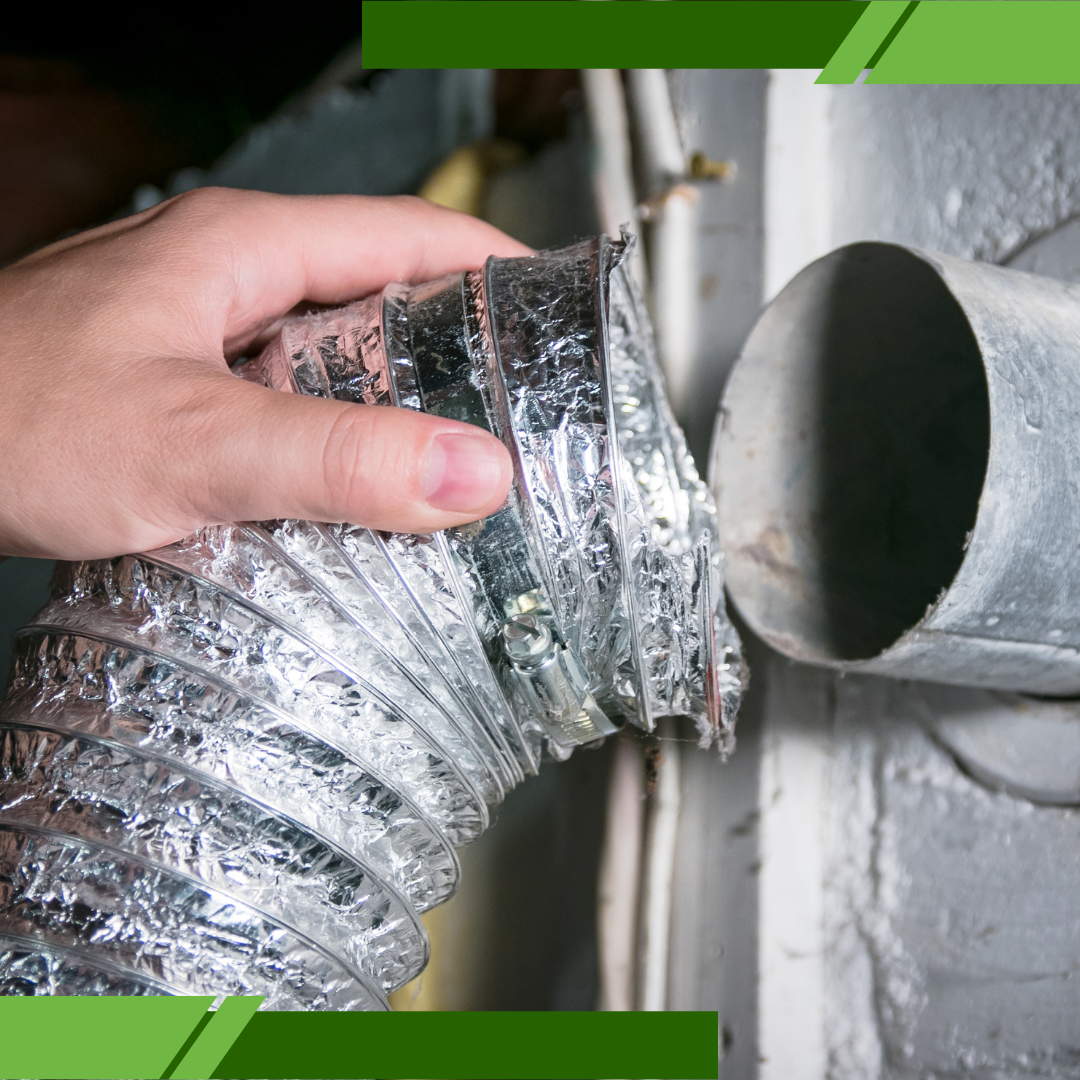
A dryer needs that vent line to carry heat, lint, and moisture safely outside the home. If the path is long, bent, dirty, or crushed, the dryer loses one of its most important functions. Instead of moving moisture out, it keeps recycling heat and humidity inside the system. That is where more laundry efficiency problems begin. Even a good dryer cannot perform well when the vent system around it is failing.
Many families in Brentwood do not think about the vent until the dryer starts acting up in obvious ways. By then, the machine may have been working under strain for a long time. Catching the problem earlier can save money and reduce the chance of bigger repairs later.
Common Questions Homeowners Ask About Dryer Vent Cleaning
People often know something is off, but they are not sure what to do next. These are some of the most common questions homeowners ask when bills rise and drying time gets worse.
How often should a dryer vent be cleaned?
That depends on how often you use the dryer, how many people live in the home, whether you have pets, and how long the vent line is. A large household that washes towels, bedding, and clothes every week may need service more often than a smaller home.
Can a dirty vent really raise my bill that much?
Yes. When your dryer needs more time to dry each load, the extra energy use adds up. One repeat cycle may not seem like much, but over a month or a year, it becomes a real expense.
Does a clogged vent affect safety too?
Yes. Lint is highly flammable, and trapped heat is never a good thing. A clean vent supports both better performance and safer operation.
Should I replace the dryer instead?
Not always. Many dryers seem weak when the real issue is blocked airflow. Cleaning and checking the vent first is often the smarter step.
What if I clean the lint trap every time?
That helps, but it only removes lint from one small part of the system. Lint still travels into the vent line, and that buildup can create serious problems over time.
The Real Cost Of Waiting Too Long
Putting off vent cleaning can feel easy because the dryer still runs. But delay has a price.
Here is what waiting can lead to:
- More repeat cycles
- Higher monthly utility bills
- Longer laundry days
- Extra heat in the room
- More wear on the machine
- Greater chance of repair costs
These problems often build slowly, which is why they are easy to ignore. But once the vent gets heavily blocked, even normal loads become frustrating.
This is also where another wave of energy usage issues can show up. The dryer may draw the same kind of power as before, but now it needs far more time to get the same result. Efficiency drops, and your bills reflect that change. In a busy household, that cost adds up faster than people expect. Four or five loads a week can turn into many extra hours of drying time every month when airflow is restricted.
Simple Ways To Protect Your Dryer And Lower Bills
The good news is that you do not need a brand new laundry room to cut waste. In many homes, better maintenance and better habits are enough to make a big difference.
Here are some smart ways to protect your dryer:
- Keep loads medium in size instead of overfilling the drum
- Clean the lint screen every time
- Check behind the dryer for dust, lint, and crushed vent lines
- Pay attention to heat, smell, and drying time
- Schedule vent cleaning before major problems start
It also helps to think of your dryer as part of a system, not a single machine. The dryer, lint trap, hose, vent line, and outdoor exit all work together. If one part is blocked, the whole system suffers.
That is why the smartest homeowners do not wait for complete failure. They act when the signs are small and easier to fix. For homeowners across Brentwood, that means less guesswork, less wasted energy, and fewer annoying repeat loads. It also means a laundry room that works the way it should.
Final Thoughts On Smarter Laundry Savings
Laundry should not feel like a hidden money drain. It should be a simple part of the week, not a source of stress, wasted time, and rising utility bills. When clothes take too long to dry, when the room feels hot, and when the dryer starts acting differently, it is worth paying attention. Those are not random annoyances. They are warnings.
Very often, the issue comes down to airflow. A clogged or dirty vent can create slow drying cycles, repeat loads, and high bills without making it obvious right away. And once those laundry efficiency problems begin, they rarely fix themselves. The good news is that small steps can make a real difference. Better laundry habits, regular cleaning, and timely vent care can help your dryer run faster, safer, and more efficiently.
When homeowners understand what is happening behind the machine, they can make smarter choices before costs keep rising. And that is one of the easiest ways to turn laundry day from a burden back into a routine that works.