Why Burning Odors Linger Indoors And How They Affect Home Freshness
Burning smells inside the home can stay longer than expected, especially after cooking, candle use, or fireplace activity. In coastal communities like Playa Del Rey, where homes are often sealed tightly for comfort, these odors can sometimes build up faster than people notice. Over time, the smell becomes part of the background, and you only realize it when guests point it out. That’s why learning simple routines makes a big difference in keeping your indoor air fresh and comfortable.
Simple Home Care Habits That Keep Indoor Air Fresh And Prevent Lingering Burning Smells
The small actions you do every day shape how your home smells and feels. Good routines can stop smoke from settling into fabrics, walls, and vents. These consistent actions are what experts often refer to as home care habits, and they play a big role in keeping indoor spaces clean and breathable.
One of the most common issues in homes around Playa Del Rey is trapped odor after cooking or fireplace use, where the salty air outside may feel fresh, but once inside, poor airflow can trap smells for hours or even days. A few helpful routines include opening windows for at least 10–15 minutes daily, running exhaust fans during cooking or heating, cleaning soft surfaces like curtains and sofas weekly, emptying trash bins regularly, especially after cooking oil use, and wiping kitchen walls and backsplash areas. These simple home habits help reduce buildup before it becomes a long-term smell problem.
Sometimes people ignore light smoke smells, thinking they will fade on their own. But in reality, this is where smoke residue prevention becomes important. When smoke particles settle, they attach to fabrics and surfaces. Over time, they create a lingering odor that is harder to remove.
This kind of approach supports better odor reduction tips by focusing on both surface cleaning and air movement. When combined, they help prevent smells from sticking around. A simple storytelling example: A small apartment once had a faint burning smell every evening. The family thought it was from neighbors. Later, they discovered it was their own cooking oil residue inside the range hood. Once they improved their home care habits, the smell stopped returning within a week.
Building Stronger Cleaning Awareness With Smart Chimney And Kitchen Practices
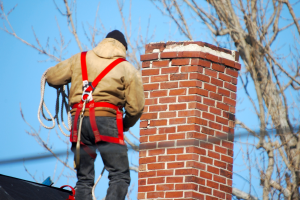
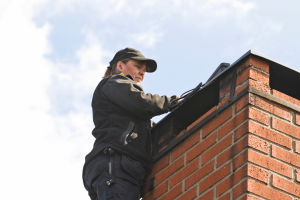
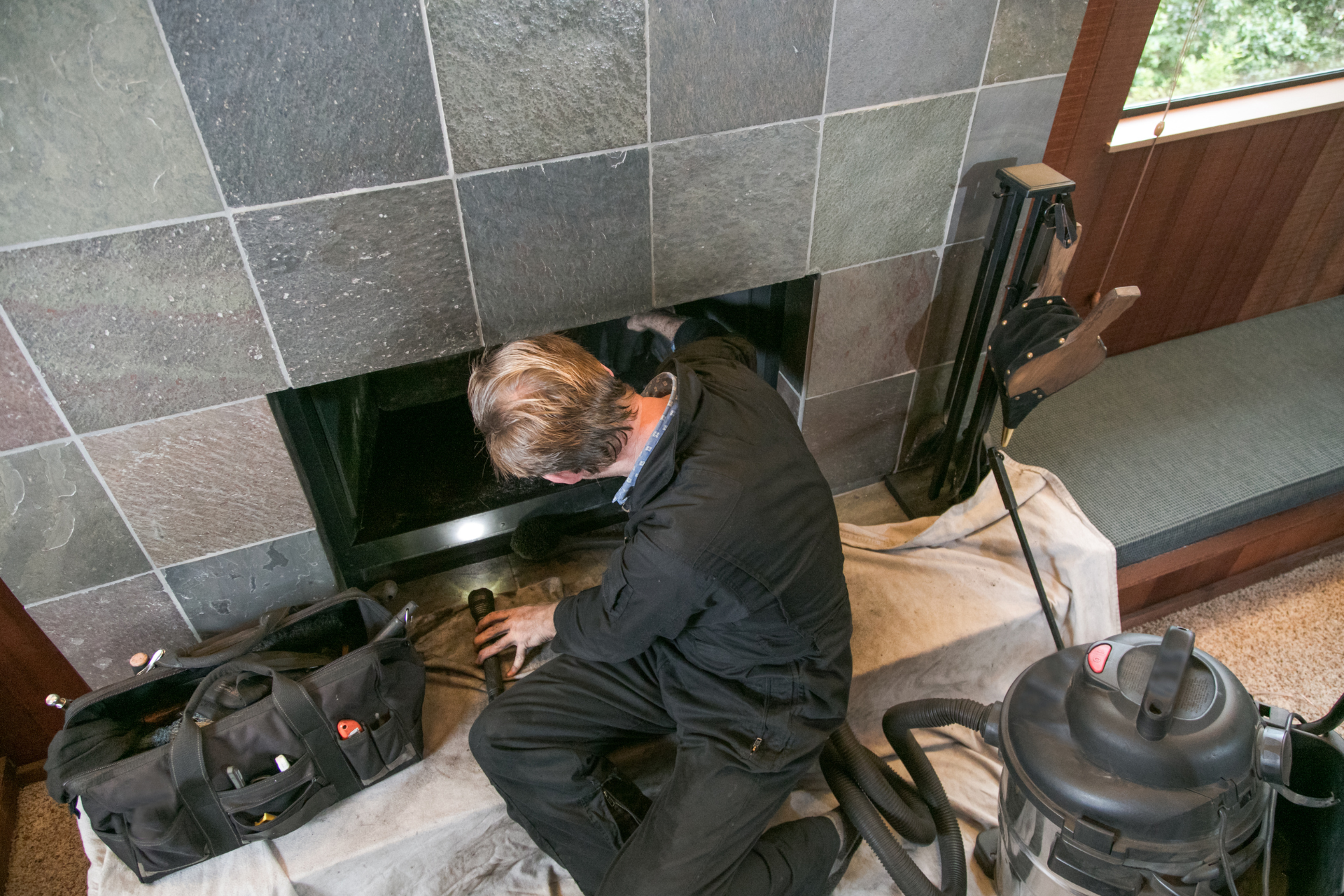
Fireplaces and stoves are often the hidden sources of long-lasting smells. Even a small amount of buildup inside vents or chimneys can release odor every time heat is used. This is why proper maintenance is just as important as daily cleaning. In coastal homes like Playa Del Rey, moisture from the air can mix with soot particles, making smells heavier and harder to remove. That’s where structured cleaning routines matter. In fact, Chimney Cleaning Playa Del Rey services are often requested by homeowners who notice repeated smoke smells even after cleaning their interiors.
Tiny Smoke Particles Stick To Warm Surfaces
When smoke enters a room, it carries microscopic particles that easily cling to warm surfaces like walls, ceilings, and countertops. As these particles settle, they create a thin, invisible layer of residue that builds up over time. Each cooking session or burning activity adds another layer, making the odor stronger and harder to remove.
Grease Traps Odor Inside Kitchen Vents
During cooking, grease vapor mixes with smoke and rises into kitchen vents and filters. Over time, this sticky residue coats the inside of ducts and fan components. As more grease accumulates, it traps odor molecules and slowly releases them back into the air whenever the ventilation system runs, causing long-term smell buildup.
Fabrics Absorb Airborne Particles
Soft materials like curtains, upholstery, and carpets act like sponges for airborne smoke particles. These particles settle deep into the fibers and gradually build up with repeated exposure. Because fabrics hold onto residue, they continue to release trapped odors back into the room long after the source is gone.
Closed Windows Prevent Full Odor Release
Without fresh airflow, smoke particles and odor compounds remain trapped indoors. Instead of dispersing outside, they circulate and settle onto surfaces, increasing residue buildup in the air and on objects. Over time, this lack of ventilation allows smells to concentrate and become more persistent.
Everyday Routines That Support Long-Term Freshness And Comfort
Keeping a home fresh is not about one big cleaning session. It is about repeating small actions that protect indoor air quality every day. Homes often stay closed during windy days, and airflow management becomes even more important.
Strong home care habits help maintain balance between cleanliness and comfort, and they also reduce stress because you don’t need to constantly chase bad odors once they are controlled early. Some easy daily routines include airing out bedrooms each morning, cleaning stovetops immediately after use, washing dish towels frequently, and checking for hidden grease spots in the kitchen using environmentally safe cleaning practices. These small efforts support long-term smoke residue prevention, especially in high-use areas like kitchens and living rooms.
In many homes, people only act when odors become noticeable. However, prevention is always easier than removal. This is why experts often recommend focusing on both cleaning and airflow together. Playa Del Rey homes often benefit from coastal ventilation, but even fresh ocean air cannot fully remove embedded smells. That is why structured routines are still needed. When paired with proper cleaning strategies, odor reduction tips become more effective. For example, combining ventilation with surface wiping prevents odors from settling again.