Why Dust Keeps Coming Back Even After Regular Cleaning
When dust keeps coming back no matter how often you clean, it can feel frustrating and even confusing. You wipe surfaces in the morning, and by afternoon, there’s already a thin layer again. In many homes, especially in busy and humid areas like Encino, this is more than just a cleaning issue. It often points to something deeper happening with how air moves inside the house.
Many homeowners first assume it’s just normal dirt buildup. But when the situation continues, it can be linked to blocked vents, poor circulation, or hidden dust sources inside walls and ducts. In some cases, even simple habits like opening windows at the wrong time or not maintaining filters can make things worse.
Why Persistent Dust Problems Often Point To Deeper Airflow Issues In The Home
The truth is, persistent dust problems are rarely just about cleaning frequency. They are often tied directly to how air travels through your living space. If the air is not circulating properly, dust has no reason to leave; it simply settles and stays.
Inside many homes, airflow can be disrupted by furniture placement, clogged vents, or even poorly maintained HVAC systems. When this happens, dust particles hang in the air longer and eventually settle on surfaces again and again.
A simple way to understand this is to imagine your home as a loop of moving air. When the loop is broken, dust collects in corners and high-traffic areas. This is why homeowners dealing with dust problems often feel like they are cleaning in circles.
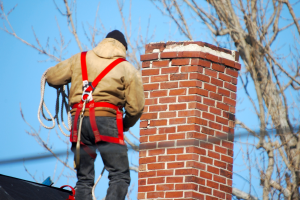
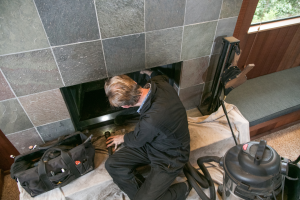
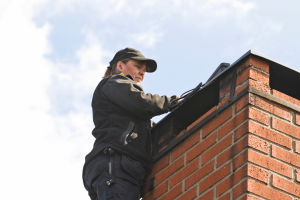
In fact, many professionals who handle Chimney Cleaning Encino services often notice that airflow blockages don’t just affect chimneys, they also affect the entire home ventilation system. In older homes, soot buildup or blocked passages can restrict airflow and indirectly increase dust buildup in living spaces.
Hidden Factors That Make Dust Problems Worse Inside Homes
When dealing with persistent dust problems, it’s important to look beyond what is visible. Dust is often carried through air pathways you cannot easily see. In many homes, blocked vents or aging duct systems quietly disrupt circulation. Over time, this creates pockets where dust settles and builds up. Even something as simple as closed interior doors can affect how air moves from room to room.
Another overlooked factor is humidity. When indoor air is too dry or too moist, dust behaves differently. Dry air allows particles to float longer, while humid air makes them cling to surfaces. Homeowners often try to fix this with basic cleaning, but without improving home airflow, the problem keeps coming back. That is why adjusting airflow systems is just as important as dusting shelves. Encino residents, in particular, may notice that dust levels change depending on the season. Wind patterns, construction activity, and even nearby traffic can influence indoor dust levels more than expected.
How Poor Airflow Traps Dust Inside Your Living Space
When air cannot move freely, dust has nowhere to go. Instead of being filtered out, it keeps cycling inside the home. This is one of the main reasons dust problems become long-term issues.
Think of your home like a breathing system. If one part is blocked, the entire system struggles. In homes, this often shows up in older air conditioning systems that haven’t been serviced regularly.
Replacing Air Filters Regularly
Air filters trap dust, pollen, and tiny particles before they circulate around your home. When filters become clogged, they stop working efficiently and can even push dust back into the air. Replacing them on schedule helps maintain cleaner airflow and reduces overall dust buildup in rooms.
Keeping Vents Open And Unblocked
Air vents are designed to keep air moving evenly throughout your home. When they’re blocked by furniture, curtains, or dust buildup, airflow becomes uneven, and dust tends to settle in stagnant areas. Keeping vents clear helps air circulate properly, which reduces dust accumulation.
Cleaning Behind Large Furniture
Large items like sofas, beds, and cabinets often collect hidden dust that gets overlooked during regular cleaning. Over time, this dust can spread back into the room whenever the furniture is moved, or air flows change. Cleaning these hidden areas helps prevent dust from continuously cycling back into your living space.
Checking Ductwork For Buildup
Air ducts can collect dust, debris, and even allergens over time. When the buildup becomes heavy, it can spread particles throughout the home every time the HVAC system runs. Inspecting and cleaning ductwork when needed helps keep the entire indoor air system cleaner and reduces recurring dust problems.
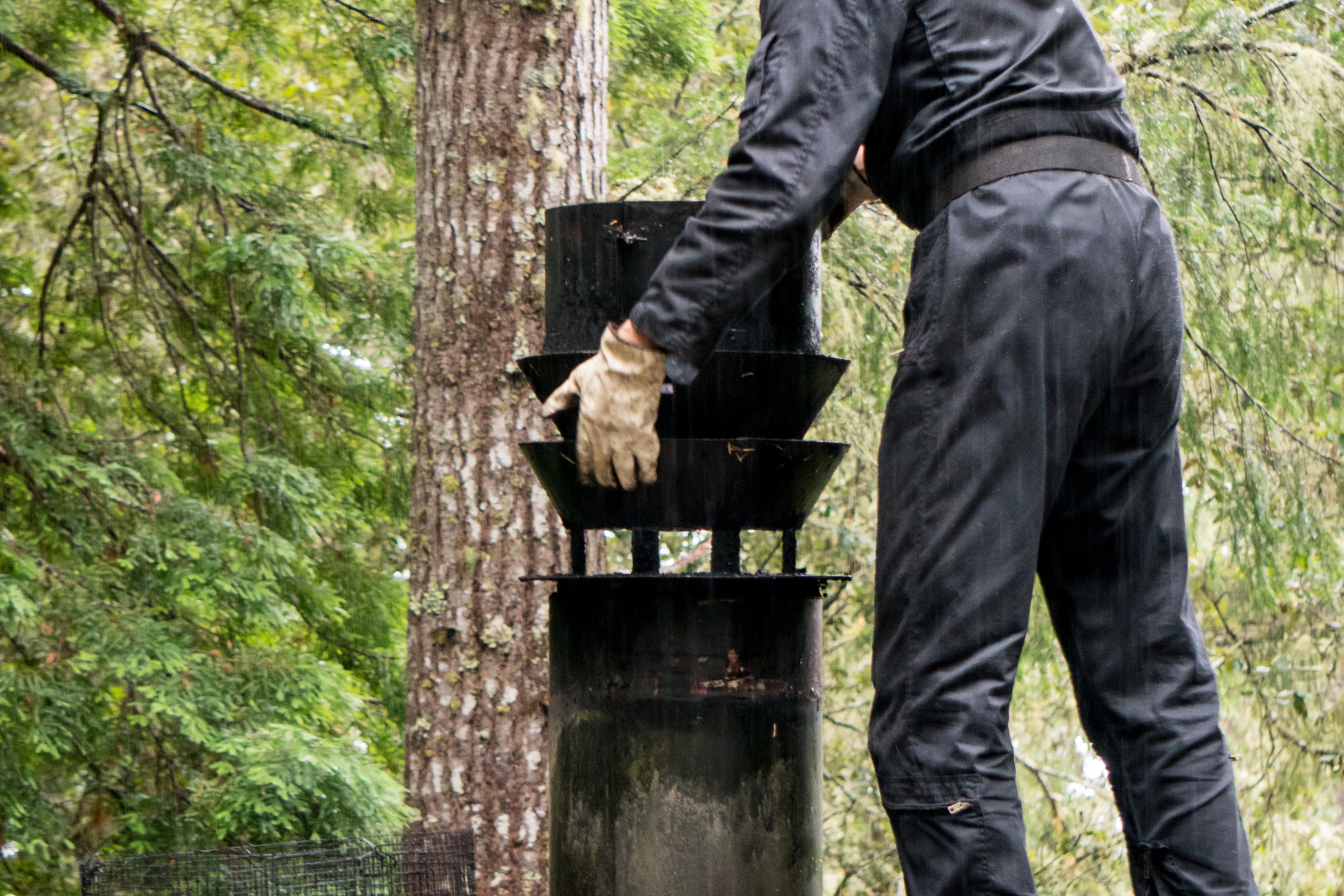
Many homeowners are surprised to learn that chimney and vent systems also affect general air circulation. Even unused chimneys can influence how air flows through a home, especially in multi-story buildings.
Why Regular Cleaning Alone Is Not Enough
It is easy to think that frequent cleaning will solve dust issues. However, when airflow problems exist, cleaning only removes what is already visible while the hidden circulation issue remains. This is why dust problems continue even in well-maintained homes, because without fixing home airflow, dust keeps being redistributed instead of being fully removed. In Encino, where homes often combine older ventilation systems with modern renovations, mismatched airflow systems can create uneven dust patterns, causing one room to stay clean longer while another collects dust quickly.
A balanced approach is needed, cleaning combined with airflow improvement, where proper maintenance and inspection become important. Simple habits that help support cleaner air include running air systems consistently instead of short bursts, using fans to support circulation, keeping return vents clear, and scheduling professional inspections when needed. When these habits are combined, indoor dust control becomes much more effective and long-lasting.
Managing Dust And Airflow Together
Dust is not just a cleaning issue; it is a movement issue. If the air inside your home is not flowing properly, dust will always find a place to settle. In Encino homes, this becomes even more noticeable due to environmental and structural factors. From ventilation systems to chimney pathways, everything contributes to how air and dust move.
The key takeaway is simple: if you are dealing with persistent dust problems, it is worth looking deeper than surface cleaning. The root cause is often tied to home airflow, and fixing that can completely change how clean your home feels. By combining smarter cleaning habits, better ventilation awareness, natural cleaning solutions, and occasional professional help, you can finally break the cycle of dust returning again and again.