Understanding Common Allergy Triggers Inside Your Living Space
Many people in Agoura Hills spend most of their day indoors without realizing that tiny particles floating around the home may be causing sneezing, itchy eyes, coughing, or headaches. These common allergy triggers can hide in places you use every day, including carpets, furniture, curtains, vents, and even chimneys. When these allergens build up over time, they can affect sleep, focus, and overall respiratory comfort for everyone in the household.
A family may clean their floors every weekend and still notice allergy symptoms that never seem to disappear. This often happens because some indoor allergens settle deep inside fabrics, air ducts, and hard-to-reach areas. Dust mites, pet dander, mold spores, and smoke residue are some of the biggest problems found in homes across Agoura Hills.
Dust, Carpets, and Hidden Indoor Allergens
One of the most overlooked sources of indoor allergens is the carpet. Carpets may look clean on the surface while trapping dirt, pollen, pet hair, and dead skin particles underneath. Every time someone walks across the floor, tiny allergens can rise back into the air. This is especially common in busy homes with children or pets.
Dust mites are another major issue. These microscopic pests thrive in warm fabrics like bedding, rugs, and upholstered furniture. While they cannot be seen with the naked eye, their waste particles can trigger strong allergic reactions.
Thick Carpets and Rugs
Thick carpets and rugs can trap large amounts of dust, dirt, pet dander, pollen, and tiny particles that enter from outside. Because the fibers are dense, allergens often settle deep below the surface where regular sweeping cannot reach. In homes with high foot traffic, carpets may also collect bacteria and moisture that encourage mold growth. Rugs placed near doors or windows are especially likely to gather outdoor allergens every day.
Curtains and Fabric Blinds
Curtains and fabric blinds easily collect airborne dust and pollen because they hang close to open windows and air circulation areas. Heavy fabrics tend to hold allergens for long periods if they are not washed regularly. Every time the curtains move from airflow or daily use, trapped particles can spread back into the room. Fabric window coverings may also absorb smoke, pet hair, and moisture that contribute to poor indoor air quality.
Mattresses and Pillows
Mattresses and pillows are common places for dust mites to live because they collect dead skin cells, body oils, sweat, and moisture over time. Since people spend many hours in bed each night, allergens can build up quickly without proper cleaning or protective covers. Older pillows and mattresses may also trap pet dander, mold spores, and dust deep inside the materials, making allergy symptoms worse during sleep.
Air Vents and Filters
Air vents and filters can spread allergens throughout the home when dust and debris build up inside the HVAC system. Dirty filters may no longer trap particles effectively, allowing dust, pollen, pet hair, and mold spores to circulate through different rooms. Vents located near floors or ceilings often gather hidden dirt that remains unnoticed until airflow pushes allergens back into the air.
Pet Sleeping Areas
Pet beds, blankets, and sleeping corners collect fur, saliva, dander, dirt, and outdoor particles carried in by pets. Even homes with regular grooming can still experience allergen buildup because pets naturally shed hair and skin flakes every day. Soft materials used in pet sleeping areas can trap these allergens deeply, especially if they are not cleaned often.
Closets With Poor Airflow
Closets with limited ventilation can become hidden spaces where dust, moisture, and mold slowly accumulate. Stored clothing, shoes, blankets, and boxes may collect dust over time without being disturbed. Poor airflow also creates damp conditions that allow mildew and mold spores to grow, especially in humid environments. When closet doors are opened, these trapped allergens may spread into nearby living spaces.
Homeowners often notice that allergy symptoms become worse during cleaning because dust gets stirred into the air. Using a vacuum with a HEPA filter can help reduce this issue. Washing bedding weekly in hot water is also helpful for lowering allergen buildup.
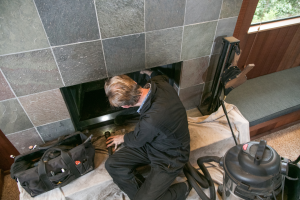
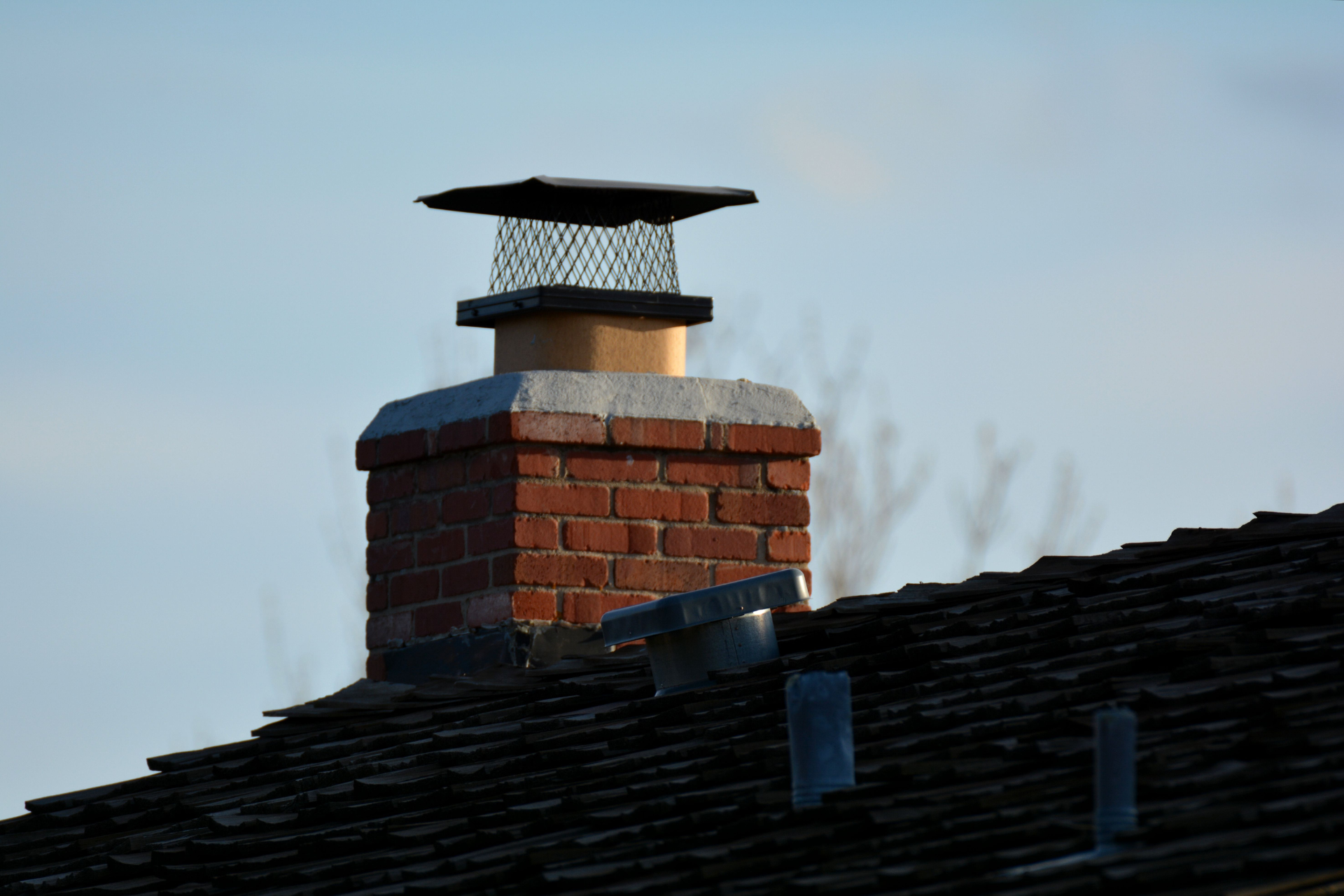
Some families in Agoura Hills also discover that smoke residue inside fireplaces or chimneys contributes to breathing discomfort. Old soot and debris can move through the air system and affect respiratory comfort over time. Regular inspections and proper maintenance are important for keeping indoor air cleaner and healthier.
Pet Dander, Mold, and Airflow Problems
Pets bring joy to many families, but they also produce dander that easily spreads through the home. Pet dander consists of tiny flakes of skin that can settle into couches, blankets, and flooring. Even homes that look spotless may still contain large amounts of pet-related allergens.
Mold is another hidden problem that can quickly grow in damp areas like bathrooms, laundry rooms, kitchens, and attics. Some homeowners only discover mold after noticing a musty smell or dark spots near ceilings and walls. Mold spores travel through the air and may worsen allergy symptoms when left untreated.
Poor airflow can make allergen problems even worse because trapped air allows dust, pet dander, pollen, and other particles to continue circulating inside the home instead of moving out. Over time, this can reduce respiratory comfort and make rooms feel stuffy, dusty, or damp. Simple habits can help improve indoor air quality, such as opening windows during dry weather, replacing air filters regularly, using dehumidifiers in damp rooms, keeping pet bedding clean, removing excess clutter, and drying wet areas quickly after spills. It is also helpful to check areas with limited airflow every day. Closets, storage rooms, and corners behind furniture often collect hidden moisture and dust without being noticed. These quiet spaces can slowly become common hotspots for indoor allergens if they are not cleaned and ventilated properly.
Some homeowners also use indoor plants to freshen their homes, but certain plants may attract mold growth if overwatered. Keeping plant soil dry and clean can help prevent unwanted moisture buildup. The combination of pet dander, dust, and mold creates some of the most common allergy triggers found in households today, especially when not managed properly. Using an eco-friendly cleaning solution for regular surface cleaning can help reduce allergens without introducing harsh chemicals into the home environment. Managing these factors consistently can make a noticeable difference in overall comfort, air quality, and cleanliness.
Creating a Healthier Routine for Long-Term Relief
Many allergy problems return because people focus only on quick cleaning instead of long-term prevention. Building a healthier indoor routine can help reduce allergen buildup before it becomes severe. Small daily habits often create the biggest results over time.
Removing shoes at the front door is a simple habit that helps prevent pollen, dirt, and outdoor debris from spreading across carpets and flooring. Wiping down surfaces regularly also helps stop dust from collecting in hidden corners and hard-to-reach areas. Families in Agoura Hills who maintain consistent cleaning habits often notice fewer odors, less visible dust, and a fresher indoor environment throughout the week. A strong cleaning routine may include washing bed sheets weekly in the bedroom, vacuuming furniture regularly in the living room, cleaning vents and filters in the kitchen, reducing moisture buildup in the bathroom, scheduling seasonal inspections around fireplace areas, and washing pet blankets and toys often.
Another important step is reducing clutter because piles of clothing, unused boxes, and crowded storage spaces easily trap dust and restrict airflow. Cleaner and more open spaces allow air to move more freely throughout the home, helping improve respiratory comfort for everyone inside. Many homeowners forget that seasonal weather changes can also affect allergy levels indoors. During windy days, pollen and outdoor particles may enter through doors and windows more often. Cleaning entry areas and changing filters during seasonal shifts can help reduce exposure.
When homes contain fireplaces, soot buildup may also contribute to allergy symptoms. Chimney Cleaning Agoura Hills services are commonly used to remove debris that can circulate through indoor spaces. Maintaining these areas helps support cleaner airflow while lowering the spread of dust and smoke residue. Reducing common allergy triggers does not require expensive renovations or major lifestyle changes. The most effective approach is consistency. Small efforts performed regularly can create a healthier and fresher home environment over time.