Home Maintenance Laundry Tips for a Cleaner and More Efficient Laundry Room
Most people do not think much about the laundry room until something goes wrong. The washer may start to smell bad. The dryer may take two or three cycles to finish one load. You may even notice higher energy bills and wonder what caused them. At first, these problems seem small. Later, they can turn into costly repairs, water damage, or even safety risks.
That is why smart homeowners pay attention to the little signs. A little extra heat, a little extra noise, or a little extra lint can tell you a lot. In many homes, the washer and dryer work several times each week. They handle wet clothes, heavy towels, blankets, pet hair, and daily family use. Without regular care, wear starts to build slowly.
Many homeowners look for help only after a machine stops working. That can be stressful and expensive. A better choice is to build simple habits before trouble begins. If you want to learn more about trusted home services, visit professional cleaning solutions for your home. Good upkeep is not only about keeping things neat. It is about protecting the appliances you use every week.
A well-cared-for laundry area helps in many ways:
- It lowers strain on your washer and dryer
- It helps clothes dry faster
- It reduces moisture and odor problems
- It makes leaks and damage easier to spot
- It can help you avoid sudden repair bills
Many families in Bel Air use their laundry appliances heavily. Between school clothes, work clothes, sports uniforms, towels, and bedding, machines often run almost every day. That much use makes simple maintenance even more important.
Home Maintenance Laundry Tips For Better Appliance Performance And Efficiency
Home maintenance laundry tips are essential for keeping your washer and dryer in good condition and preventing costly repairs. Following home maintenance laundry tips helps ensure your laundry system runs efficiently, saves energy, and lasts longer over time.
Home maintenance laundry tips also include simple habits like cleaning lint traps, checking hoses for leaks, and avoiding overloading your machines. These home maintenance laundry tips reduce strain on your appliances and help maintain consistent cleaning performance for every load.
Home maintenance laundry tips further focus on improving airflow and preventing moisture buildup in the laundry area. By practicing home maintenance laundry tips such as regular vent cleaning and proper room ventilation, you can avoid odors, mold growth, and long-term appliance damage
Home Maintenance Laundry Tips To Keep Your Appliances Running Smoothly
Home maintenance laundry tips are essential for preventing unnecessary appliance issues and ensuring your laundry system works efficiently every day. Using home maintenance laundry tips regularly helps reduce wear and tear while improving overall washing and drying performance.
Home maintenance laundry tips include inspecting your machines for early warning signs such as unusual noises, longer drying times, or water leaks. These home maintenance laundry tips help you catch problems early before they turn into costly repairs or full appliance breakdowns.
Home maintenance laundry tips also focus on keeping the laundry area clean, dry, and well-ventilated to avoid moisture-related issues. By following home maintenance laundry tips consistently, you can improve energy efficiency, reduce odors, and extend the life of your appliances.
Why Home Maintenance Laundry Tips Matter For Every Household
The best way to prevent major appliance issues is to stay ahead of them. Strong home maintenance laundry tips can help homeowners protect their machines, improve safety, and keep the whole room working better. These habits are simple, but they matter more than many people realize.
Think of a dryer vent like a path that hot air must travel through. When that path is clear, the dryer works well. When lint begins to clog the vent, hot air gets trapped. Clothes take longer to dry, the machine gets hotter than it should, and parts wear down faster. The washer works the same way in its own system. If hoses are worn, drains are slow, or moisture sits too long, bad smells and mold can start to grow.
That is why regular checks matter. Homeowners who stay consistent often notice problems before they get serious. If your dryer is slowing down, now is a smart time to explore expert dryer vent cleaning services in Bel Air. A blocked vent can affect both performance and safety.
This is where many people begin asking practical questions. What should I watch for? How often should I clean? When do I call for help? The answers are not hard, and once you know them, they are easy to follow.
Here are some signs your laundry appliances may need attention:
- Clothes are still damp after one normal drying cycle
- The laundry room feels hot or humid after using the dryer
- The washer smells musty, even when empty
- You hear shaking, banging, or scraping sounds
- Water appears near the washer
- Lint gathers around the dryer or vent area
- The outside vent flap does not open well during drying
A clean and open space also supports better laundry room upkeep. When the area behind and around your machines is not crowded, you can spot dust, crushed vent hoses, and water leaks much sooner.
Warning Signs Your Washer Or Dryer Needs Attention
Appliances often give warnings before they fail. The problem is that many people miss those warnings because they are busy or assume the issue will go away on its own. It usually does not.
A dryer that takes longer to dry is not only annoying. It often means airflow is restricted. A washer that smells bad is not only unpleasant. It may mean moisture is trapped inside the drum, seal, or drain area. Strange sounds, shaking, and extra heat are all signs that the machine is working harder than it should.
Imagine this simple example. A family washes several large loads every weekend. Over time, lint slips past the trap and begins to build up in the vent. The dryer still runs, so nobody thinks much about it. But little by little, drying time gets longer. The family starts running the dryer twice for each load. The heat builds up more, the energy bill rises, and parts inside the machine wear down faster. What looked like a small issue becomes a bigger one.
A few common warning signs should never be ignored:
- A hot, stuffy smell during drying
- Damp clothes after a full cycle
- A washer door seal with dark spots or slimy buildup
- A vent hose that looks bent, crushed, or loose
- Soap residue left in the washer drawer
- Water hoses with cracks or bulges
These signs matter because they point to the start of a bigger problem. Paying attention early helps protect both your appliances and your home.
Simple Weekly Habits That Protect Laundry Appliances
The easiest way to prevent damage is to do a few small things every week. These jobs are quick, but they can make a real difference over time. This is one reason many homeowners rely on home maintenance laundry tips instead of waiting until something breaks.
Start with the basics:
- Clean the lint trap after every single dryer load
- Wipe the washer door, lid, and rubber seal
- Leave the washer door open for a while after use
- Remove clean clothes right away instead of leaving them inside
- Sweep or vacuum lint from the floor and corners
These habits help control moisture, improve airflow, and reduce wear on the machines. They also make it easier to notice new problems. You can also make weekly checks part of your family routine. A short checklist near the washer and dryer can help everyone remember:
Quick weekly laundry checklist
- Empty pockets before washing
- Do not overload the washer
- Do not stuff the dryer too full
- Check for odd sounds
- Look for lint buildup
- Make sure the floor is dry
Small steps like these are not hard, but they often save people from large repair bills later.
Monthly Checks That Help Prevent Costly Repairs
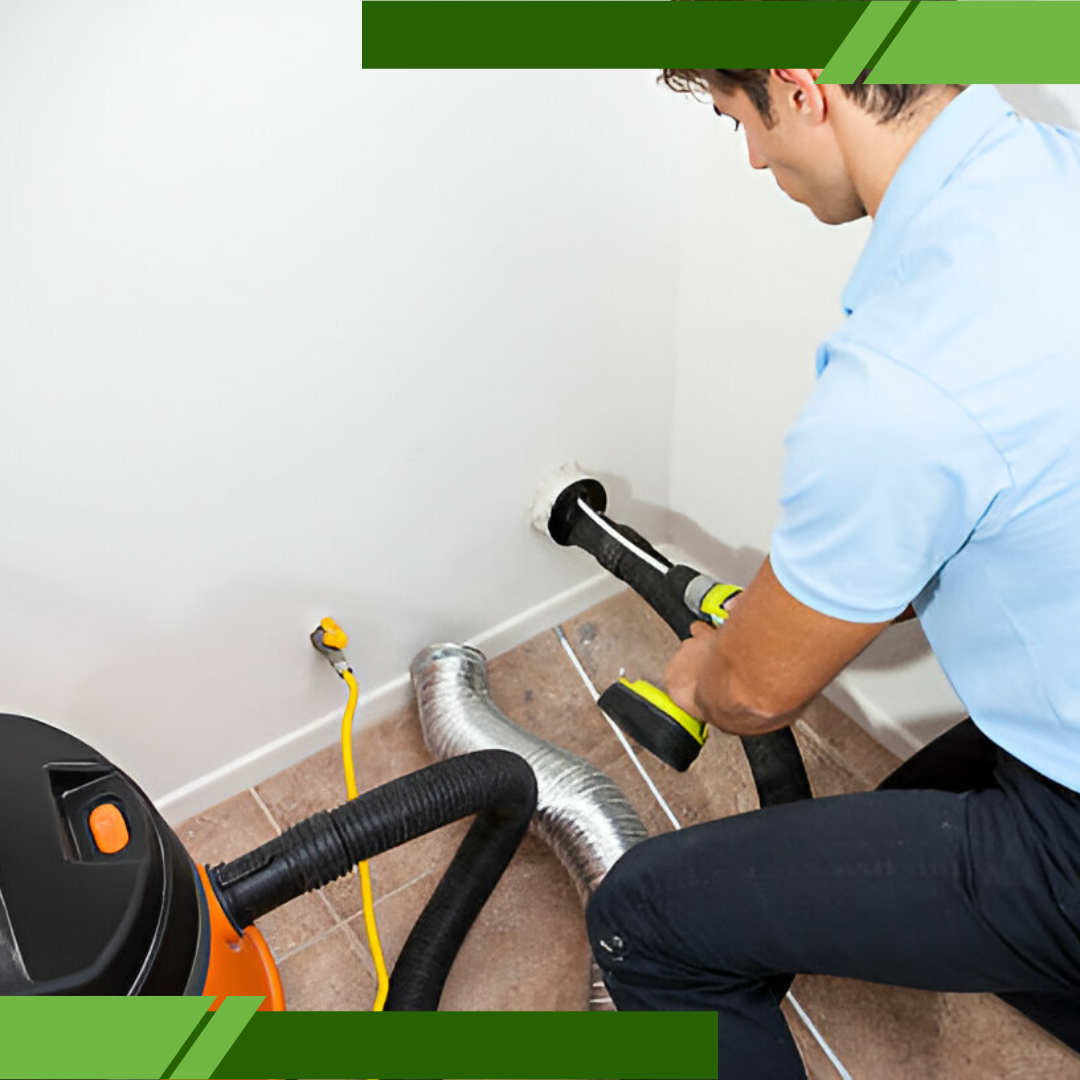
Weekly cleaning is helpful, but monthly checks take your routine one step further. These checks help you find hidden trouble before it grows. Once a month, pull the washer and dryer out just enough to inspect the space behind them. You do not need to move them far. You only need enough room to look for crushed hoses, lint buildup, and signs of moisture.
Focus on these areas:
Behind the dryer
- Check that the vent hose is connected well
- Look for bends, tears, or crushing
- Vacuum loose lint from the floor and wall area
Behind the washer
- Inspect water hoses for swelling or cracks
- Look for damp spots near connections
- Make sure the drain hose is secure
Inside the washer
- Clean the detergent drawer
- Run a cleaning cycle if your machine has one
- Wipe around the drum and seal
This is also a good time to follow solid appliance care advice. Many washer problems come from using too much detergent. Extra soap may seem helpful, but it often leaves residue behind. That residue can trap dirt, hold moisture, and create unpleasant smells.
How Lint Buildup Affects Dryer Safety And Performance
Lint may look soft and harmless, but it can cause serious trouble inside a dryer system. Every load creates loose fibers. Some stay in the lint trap, but not all of them. A portion moves into the vent line, where it slowly gathers over time.
When airflow is blocked, several things happen:
- The dryer runs longer
- Heat builds up inside the machine
- Parts wear out faster
- Energy use increases
- Safety risk goes up
This is why homeowners should not think of vent cleaning as an extra service they can always delay. In many homes, it is a key part of machine care.
Some materials create even more lint than others:
- Bath towels
- Fleece blankets
- Pet bedding
- Sweatshirts
- Heavy cotton items
If your household washes these items often, buildup can happen faster than you expect. Many people in Bel Air have busy homes with frequent laundry loads, which makes vent attention especially important.
A simple way to picture it is this: a blocked dryer vent is like trying to breathe through a straw filled with cotton. Air still moves a little, but not the way it should.
Smart Laundry Room Care For A Cleaner, Safer Space
Good maintenance is not only about the machines. The room itself matters too. Better laundry room upkeep creates a cleaner, safer environment and makes appliance problems easier to catch. A crowded laundry room can hide a lot. Piles of clothing, storage bins, paper bags, and cleaning supplies can block airflow and make inspection difficult. In the worst cases, they can also add to safety risks if the dryer gets too hot.
Keep the area as open as possible. Focus on these habits:
- Store only what you need in the room
- Keep paper, cardboard, and fabric away from the dryer
- Wipe dust from shelves and corners
- Check the outside vent cover for leaves or debris
- Make sure the room has enough space for airflow
It also helps to watch the room while appliances are running. Is the dryer making the space hotter than usual? Does the washer shake too much? Does the room smell damp long after laundry is done? These are all useful clues.
Many homeowners overlook the outdoor vent opening, but it matters a lot. If the flap barely opens while the dryer is on, airflow may be restricted inside the vent. That is a warning sign worth checking right away.
Appliance Care Advice For Longer Lasting Machines
The goal of good maintenance is not only to stop problems today. It is also to help your machines last longer. Strong appliance care advice starts with understanding what causes the most wear.
The biggest issue in many homes is overloading. When you overload the washer, the drum and motor work harder. When you overload the dryer, hot air cannot move well around the clothes. That slows drying and creates extra stress on the machine.
Another common mistake is mixing items that dry at very different speeds. A heavy towel and a light shirt do not dry the same way. When they are packed together, some items stay damp longer, which often leads to extra drying time.
Here are some better habits to follow:
Wash smarter
- Sort by weight, not only by color
- Avoid stuffing the drum to the top
- Use the right amount of detergent
- Clean out the washer after dirty or sandy loads
Dry smarter
- Shake out clothes before placing them in the dryer
- Clean the lint screen every time
- Dry similar fabrics together
- Stop the cycle when clothes are dry
These habits lower wear and help your appliances do their job with less strain.
Common Laundry Mistakes That Wear Out Appliances Faster
Many expensive repairs start with simple habits that seem harmless. People get used to rushing through laundry, and over time those rushed steps can cost money.
Here are a few mistakes that often lead to trouble:
- Leaving wet clothes in the washer for hours
- Ignoring a small leak
- Slamming washer or dryer doors
- Using too much fabric softener or detergent
- Running back-to-back dryer loads without cleaning the lint screen
- Pushing machines too close to the wall and crushing hoses
These habits may not cause instant damage, but they add stress little by little. That is why many homeowners use home maintenance laundry tips as part of their regular routine. It is easier to build smart habits now than to pay for repairs later.
You can also think of maintenance in simple time blocks:
After every load
- Empty lint
- Remove clothes
- Leave washer open
Every week
- Wipe surfaces
- Check for smells
- Sweep the floor
Every month
- Inspect hoses
- Vacuum behind machines
- Run a washer cleaning cycle
This approach is easy to remember and easy to follow.
Why Local Homeowners Should Take Vent Cleaning Seriously
People often ask whether vent cleaning is still needed if the dryer seems to be working. The answer is yes. A dryer can still run while airflow is already reduced. By the time performance drops badly, a lot of buildup may already be present.
For homeowners in Bel Air, regular vent attention is one of the smartest ways to protect both appliance life and household safety. Many homes run frequent laundry cycles, especially large family households. More use means more lint. More lint means a higher chance of buildup.
This is why the exact service term Dryer Vent Cleaning Bel Air matters to local customers searching for help. It speaks directly to a service that solves a real problem in a specific area. When people search for this service, they are usually not browsing without purpose. They are trying to solve slow drying, excess heat, or a safety concern.
The value of professional vent cleaning often shows up in simple ways:
- Clothes dry faster
- The dryer runs more smoothly
- The room feels less hot
- Energy waste goes down
- Risk is reduced
For many families, that peace of mind is worth it.
Easy Habits That Save Money And Stress Over Time
Laundry appliances do not usually fail without warning. In most cases, they show signs first. The trick is to notice those signs and act early. Simple maintenance can support better performance, lower stress, and stronger results over time. It can also support good household efficiency tips by helping your machines use less time and energy for the same work.
The biggest lessons are simple:
- Clean what gathers lint
- Dry what holds moisture
- Watch what sounds unusual
- Fix what looks worn
- Do not ignore small changes
A washer and dryer may not seem like the most exciting part of your home, but they are some of the hardest-working machines you own. Treating them well helps your daily routine run better.
In the end, smart laundry habits are really about prevention. They protect your time, your money, and your comfort. They also make your home safer and cleaner. When you stay consistent, small tasks stay small, and expensive problems are much less likely to take over.