
Cleaner indoor air: A Practical Priority for Modern Property Managers in Playa Vista
Property managers often focus on repairs, rent cycles, and tenant concerns, but one thing that quietly affects everything is indoor air quality. When the air inside a building feels heavy or stale, tenants notice it quickly, even if they can’t explain why. In busy residential and commercial spaces around Playa Vista, this becomes even more important because buildings are used daily, often with limited downtime for deep care.
Daily Practices That Shape Healthier Buildings
A big part of keeping indoor environments stable comes from routine care that does not feel overwhelming. Property managers often find that small habits, repeated daily, create the biggest difference over time. One overlooked area is the way cleaning schedules interact with airflow systems. A clogged filter or dusty vent can slowly affect the entire building’s environment. This is why building maintenance tips are not just optional advice; they are essential tools for long-term stability.
In Playa Vista, where buildings often face a mix of coastal humidity and urban dust, property teams need to stay consistent. Even something as simple as checking door seals or wiping down shared surfaces can help reduce airborne particles.
Regular Dusting Of High-Traffic Areas
High-traffic areas like living rooms, hallways, and entryways collect dust more quickly due to constant movement. Regular dusting prevents layers of particles from settling and building up over time. This helps maintain cleaner surfaces and reduces the amount of dust that gets circulated back into the air.
Checking HVAC Filters Every Month
HVAC filters trap dust, allergens, and airborne particles before they spread throughout the building. When filters become clogged, they lose efficiency and allow contaminants to circulate more freely. Monthly checks ensure filters are clean and functioning properly, supporting better airflow and healthier indoor conditions.
Keeping Storage Areas Organized And Dry
Storage spaces often become hidden spots where dust, moisture, and clutter accumulate. Keeping them organized allows air to circulate and makes it easier to spot potential issues early. Dry conditions also help prevent mold growth and reduce the buildup of dust and musty odors.
Monitoring Moisture Buildup In Corners
Corners and low-ventilation areas are prone to trapping moisture, especially in humid environments. Over time, this can lead to mold, mildew, and structural damage if left unchecked. Regular monitoring helps catch early signs of dampness and prevents long-term indoor air quality problems.
These actions may seem small, but together they build a healthier environment. In fact, teams that consistently apply building maintenance tips often notice fewer complaints and better tenant satisfaction over time. Property upkeep also plays a big role here. When managers stay ahead of minor issues, they avoid larger repairs later. Building usage is high; this proactive approach saves both time and cost.
Hidden Systems, Airflow Paths, and Overlooked Risks
Some of the most important parts of indoor air quality are the ones tenants never see. Behind walls, inside ducts, and through ventilation shafts, air is constantly moving. If these systems are not maintained, the entire building feels the effects. There was a case in Playa Vista where a residential complex experienced uneven air quality between floors. After inspection, the issue was traced back to neglected ventilation cleaning and buildup inside exhaust routes. The maintenance team had followed basic property upkeep routines but missed deeper system cleaning.
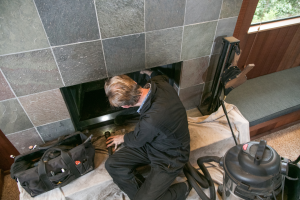
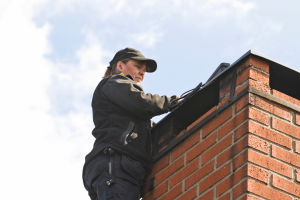
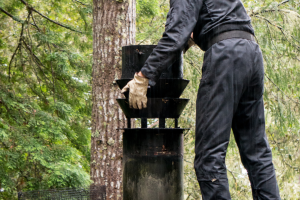
This is where Chimney Cleaning Playa Vista becomes relevant, especially in buildings that still use fireplaces or shared exhaust systems. When chimneys or vents are not cleaned properly, smoke residue and dust can circulate back into living spaces, affecting everyone in the building.
Maintaining cleaner indoor air in these environments requires a layered approach that includes surface cleaning for visible areas, system cleaning for hidden airflow paths, routine inspections for early detection, and seasonal deep maintenance planning, with each layer supporting the others so that without one, the system becomes unbalanced. Mixed-use buildings are common, and property teams must also think about how commercial kitchen exhausts or shared laundry vents affect air movement, since these systems often carry particles that slowly spread if ignored. This is why strong property upkeep must include both visible cleaning and technical inspections, because when done together, they reduce long-term risks and help maintain stable airflow across all units. Property managers who follow structured building maintenance tips also tend to notice fewer emergency repair calls, which shows how preventive care improves both operations and tenant experience.
Long-Term Strategies for Consistent Indoor Air Quality
Over time, managing buildings is less about reacting to problems and more about building systems that prevent them. Property managers who take this approach often see smoother operations and happier tenants.
The idea of cleaner indoor air becomes easier to maintain when it is built into long-term planning instead of short-term fixes. For example, scheduling quarterly inspections for ventilation systems prevents dust buildup before it spreads. Adding seasonal deep cleaning schedules also helps reduce hidden contaminants.
Good property upkeep should feel like a steady rhythm, not a rushed response, and when managers stay consistent, they reduce surprises and create more stable indoor environments. Some effective long-term strategies include setting fixed HVAC inspection schedules, tracking air quality complaints by location, coordinating cleaning teams with maintenance teams, and updating building maintenance tips as systems age, along with incorporating natural cleaning solutions where appropriate. A structured approach is especially valuable because buildings often have high occupancy rates and constant airflow demands, and without consistency, even small issues can grow quickly.
Another important factor is communication. Property teams that work closely with cleaning crews often identify air quality issues earlier. This teamwork ensures that cleaner indoor air is maintained not just through equipment, but through awareness and coordination. Strong property upkeep also supports long-term cost savings. Instead of spending heavily on emergency repairs, managers can invest in regular care that keeps systems stable. At the end of the day, good indoor air is not just a technical goal; it is a daily responsibility. With the right habits, careful planning, and consistent attention, buildings can stay comfortable, healthy, and welcoming for everyone inside.