
Why Indoor Air Quality And Clean Spaces Matter For Everyday Comfort
Living at home should feel calm, safe, and refreshing. But many families do not realize how much indoor air, dust, and hidden buildup can affect daily life. When spaces are not well-maintained, small issues slowly grow into discomfort, allergies, and even stress. A home is not just about what you can see. It is also about what you breathe, what settles on surfaces, and what lingers in the air. That is why paying attention to your indoor environment can make a real difference in how your family feels every day.
How Clean Indoor Spaces Support Family Health And Daily Comfort
When people talk about comfort at home, they often think about furniture or lighting. But real comfort starts with what you breathe and how fresh your surroundings feel. Clean indoor spaces play a big role in shaping that experience. Inside many homes, daily life brings in dust from outside, cooking smells, and moisture from weather changes. Over time, these small elements build up. In places like San Pedro, where families often keep windows closed for air conditioning, indoor particles can stay longer than expected. This affects overall air cleanliness, even if the home looks tidy on the surface.
A simple example is a living room that may look spotless, but tiny dust particles can still float in the air. Children playing on the floor or adults working long hours indoors may start feeling tired, sneezy, or uncomfortable without knowing why. Some common signs that indoor air needs attention include frequent sneezing or coughing indoors, dust settling quickly after cleaning, a heavy or stale feeling in rooms, and unpleasant odors that don’t go away easily. These signs are not always obvious, but they matter because maintaining clean spaces helps reduce these issues and supports better breathing for everyone at home. Families practicing strong, healthy home habits often notice better sleep, fewer allergies, and improved mood, and even small routines like wiping surfaces daily, opening windows when possible, and checking airflow can make a big difference.
For homeowners looking for deeper solutions, professional support can help improve long-term results. Many residents trust services to help maintain fresher indoor environments. In busy households, this kind of support helps reduce buildup that regular cleaning may miss. It is also important to remember that air inside the home is recycled many times each day. If that air is not clean, it keeps circulating the same particles. That is why improving air cleanliness should always be part of home care routines, not just surface cleaning.
Everyday Habits That Improve Home Air And Hidden Household Safety
Many families do not realize that simple daily routines can greatly affect comfort and safety indoors. Keeping clean indoor spaces is not only about cleaning once a week. It is about the small actions repeated every day that shape the home environment. In San Pedro, where humidity and outdoor dust can easily enter homes, maintenance becomes even more important. One often-overlooked area is the chimney and ventilation system. When not cleaned properly, these areas can collect soot, dust, and even moisture buildup that affects air cleanliness throughout the house.
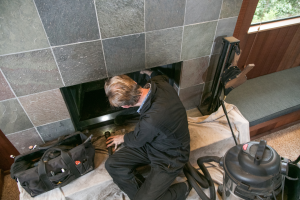
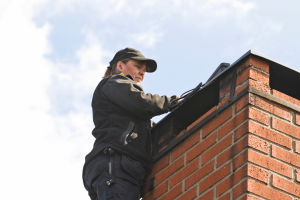
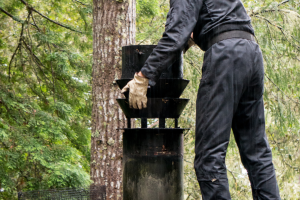
This is where deeper care becomes important. For example, services like Chimney Cleaning San Pedro are often needed to ensure safe airflow, especially in homes that use fireplaces or have older ventilation systems. Blocked or dirty chimneys can slowly reduce indoor comfort without homeowners noticing right away.
Checking Vents And Airflow Areas Once A Month
Regularly inspecting vents helps ensure that air can move freely throughout the home. When vents are blocked by dust or debris, airflow becomes uneven, causing certain areas to feel stuffy and allowing dust to settle more easily. A monthly check helps maintain consistent circulation and supports cleaner indoor air.
Keeping Kitchen Exhaust Clean After Cooking
Kitchen exhaust systems capture smoke, grease, and cooking odors, but they lose efficiency when buildup is ignored. Cleaning them regularly prevents grease from hardening and spreading unwanted smells back into the home. This habit also helps improve air quality in one of the most-used areas of the house.
Using Natural Ventilation When The Weather Allows
Opening windows and doors when the weather is favorable allows fresh air to replace stale indoor air. This helps reduce trapped odors, moisture, and airborne particles. Natural ventilation is one of the simplest ways to refresh indoor spaces and improve overall comfort without using mechanical systems.
Avoiding The Buildup Of Clutter That Traps Dust
Clutter creates hidden spaces where dust can accumulate and become harder to remove. Over time, these areas can contribute to poor indoor air quality and make cleaning less effective. Keeping spaces organized reduces dust traps and makes routine cleaning faster and more efficient.
These habits not only support comfort but also improve air cleanliness in the long run. When air flows properly, the home feels lighter, fresher, and easier to live in. Professional help also plays a big role. In fact, many homeowners in San Pedro choose trusted experts when they notice airflow issues or long-term buildup. Regular maintenance like this helps protect both comfort and safety.
With consistent care, clean indoor spaces become easier to maintain, and families can enjoy a healthier environment without constant struggle. Even small improvements in airflow and cleaning routines can lead to noticeable changes in how a home feels.
How Indoor Air Quality Changes Family Comfort Over Time
A home does not become uncomfortable overnight. It changes slowly. Dust builds up, airflow becomes weaker, and odors settle into fabrics and corners. Over time, these small changes affect how people feel inside their own space.
This is why indoor spaces are so important for long-term comfort. In many households, families notice that rooms feel warmer, heavier, or less fresh after long periods of closed windows or limited cleaning routines, and these subtle changes often point to deeper issues with air cleanliness. When air quality drops, families may experience difficulty sleeping or feeling fully rested, more frequent headaches or fatigue, increased allergy symptoms indoors, and reduced focus during work or study. These issues are not always linked to visible dirt, which is why they are often ignored at first, but improving indoor conditions through practices like chemical-free cleaning can change everything.
Practicing strong, healthy home habits helps prevent these problems from growing. Simple actions like regularly washing fabrics, cleaning air filters, and keeping airflow open can make a home feel significantly better.
In San Pedro, where temperature and humidity can vary, homes may trap air more easily. This makes it even more important to focus on circulation and cleanliness. Over time, families notice that improving air cleanliness leads to better moods and more comfortable living spaces.
It is also important to understand that comfort is not only physical but also emotional. A fresh-smelling, well-ventilated home creates a sense of peace. People feel more relaxed, more focused, and more at ease in their daily routines. Even pets respond to better air conditions. They become more active and comfortable when the environment is clean and balanced.
As families continue improving their homes, they often realize that small changes create big results. A cleaner airflow system, regular maintenance, and consistent attention to indoor spaces all work together to build a healthier lifestyle.
Simple Steps Families Can Start Today For A Fresher Home
Improving your home does not require big renovations. It starts with small, consistent actions that build over time. When families focus on simple routines, they naturally create cleaner indoor spaces without stress or pressure. Daily life can be busy and fast-paced, easy habits are often the most effective, and even a few minutes a day can improve how a home feels and functions.
Families can start right away by opening windows for fresh air when the weather allows, wiping down surfaces daily to reduce dust buildup, cleaning or replacing air filters regularly, avoiding blocking air vents with furniture, and reducing clutter in corners where dust collects. These actions directly improve air cleanliness and help maintain a healthier indoor environment. It is also helpful to create a simple weekly routine, such as dusting surfaces on Monday, doing floor and fabric cleaning on Wednesday, and performing a kitchen and ventilation check on Friday. Sticking to a schedule makes maintenance easier and prevents buildup from getting out of control.
Families who follow these routines often notice their homes feel lighter and more comfortable within a short time. The improvement in air cleanliness becomes noticeable, especially during sleep and rest hours. Another important reminder is that consistency matters more than perfection. Even if deep cleaning is not done often, regular small habits still create a big impact. Over time, these routines support stronger healthy home habits, better comfort, and a more peaceful living environment for everyone.
A clean home is not just about appearance. It is about how it feels to live in it every single day. When families commit to better care, they naturally build clean spaces that support health, comfort, and long-term well-being.